HIV treatments are incredibly safe – around 38 million people around the world take some form of HIV treatment and are living healthier, longer lives because of it.
Before 1996, which is when treatment for HIV became available, there was no way to prevent HIV from developing into late-stage HIV (formerly called AIDS), which is when the body loses its ability to fight off illness because of the virus. In the 1980s and early 1990s, the average life expectancy of a person living with late-stage HIV was only 1-2 years. Now, modern treatments stop HIV from progressing and protect your immune system, so you never develop late-stage HIV. It’s an amazing scientific innovation that has changed millions of lives.
When HIV treatments were first introduced, they were prescribed at higher doses than they are now. This was to make sure they were effective at stopping HIV, but it meant that more people experienced side effects, which has led to some misconceptions that HIV treatments are bad for you, or will definitely cause side effects. In fact, modern-day treatments have significantly improved, and most people only take one daily pill and experience no side effects. They are also constantly improving and getting even better. For example, a long-acting, injectable form of treatment is being developed so people don’t have to remember to take a pill every day.
Do HIV medicines harm your body long-term?
The vast majority of people on HIV treatments experience no side effects at all, and the small number that do usually report that their side effects go away once their body gets used to the treatment. All side effects can be managed by speaking to your clinician, who can make sure you’re taking your medication correctly or switch you onto other treatment options if it isn’t working for you.
Don’t be afraid to talk to your clinician about your options. It’s completely understandable to have questions about starting a long-term medication, and it’s great to be proactive about your health and make sure you understand what the risks and benefits are to any treatment you are offered.
The benefits to treatment far outweigh any potential side effects, because without HIV treatment, your likelihood of experiencing late-stage HIV results in conditions like cancer, tuberculosis, or pneumonia are much higher. Any of these conditions would of course have a much bigger impact on your wellbeing.
What are PrEP, ART & PEP?
The different types of HIV treatments are PrEP, PEP, and antiretroviral therapy (ART). They all belong to the same family of medications, called antiretrovirals. The difference is that PrEP is for people who are not living with HIV, PEP is for people who have very recently been exposed to HIV, and ART is for people living with HIV. All three types are a combination of a few different medications taken together (often combined in one pill).
PrEP is a pill you take either daily or “on-demand”, which means you take it for a few days around a time you know you may be exposed to HIV. It prevents you from acquiring HIV if taken before exposure.
PEP is a treatment that you take every day for four weeks after you’ve potentially been exposed to HIV. It prevents HIV infection if taken as soon as possible after exposure. Usually, it will be two different pills, one to take twice a day, and the other once a day.
ART is a combination of medications for people living with HIV. It brings HIV levels in your body down to an undetectable level – meaning the virus won’t impact your health and HIV can’t be passed on. It can be taken daily, either as one pill or a few pills, or sometimes as a liquid medication. Some types are an injection every one to two months, instead of taking a daily medication.
How do HIV treatments work?
HIV is a virus – a tiny germ that needs to use our cells to make copies of itself. HIV treatments work in different ways to prevent HIV from entering your cells and from replicating.
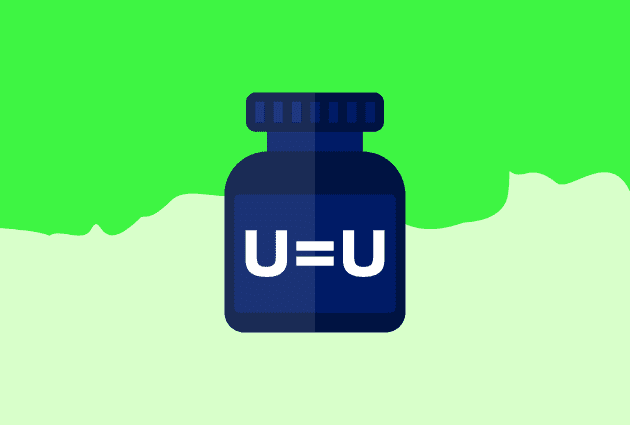
PrEP, PEP and ART treat HIV by interfering with it in different ways: either by stopping it from getting into your cells, or by preventing it from replicating inside your cells. HIV can’t disappear from your body, but treatment keeps levels of it so low that they can’t even be detected or transmitted, which is what we mean by Undetectable = Untransmittable.
Is HIV treatment “toxic”? Why the internet gets this wrong
Every medication and supplement we take has a dose at which it is considered to be toxic – that’s why there’s a limit on how many paracetamols you’re allowed to buy at once, for example. Because of this, when you search online about whether HIV medication is toxic, you might be worried about comments about potential toxicity and scary side effects.
The reality is that HIV treatment, like all medications, goes through a huge amount of testing to make sure it works and is safe for people to take. There are also constant developments making treatments more effective, and with fewer potential side effects.
Protecting your physical and mental health
Receiving a HIV diagnosis can feel scary or overwhelming, and stigma can make people feel judged or alone, or ashamed of living with HIV.
All of this can make taking daily medication or visiting a clinic to see a HIV specialist feel difficult for someone who doesn’t want to be reminded of their status. You’re not alone and this is nothing to be ashamed of – but it’s important you get support to protect both your physical and mental health.
There are many different types of support available to help:
- You can get peer support from other people living with HIV.
- You can ask your HIV specialist for support with your mental health.
- You can access talking therapies by self-referral or asking your GP to refer you.
- Your GP can help you decide whether you might benefit from medication.
- Your GP can refer you to a social prescriber to connect you with nearby community activities and groups.
- If you’re not ready to talk to someone in person, you can call the THT Helpline on 0808 802 1221 for general advice on living with HIV.
- There are often specialised support services for different people. The Mind website has lots of resources where you can explore what other types of support might be right for you.
To sum up – HIV treatments are safe, extremely effective, and do not commonly have any side effects. Your treatment provider is the best person to talk to about any specific concerns you might have, or if you want to change to a different medication. If you feel anxious or depressed about living with HIV or taking treatment, support is available and we encourage you to access it so you can get on with living a long, healthy, happy life with HIV.